The stadiums selected for the FIFA World Cup 2026 are among the most impressive sporting venues on the planet. MetLife Stadium for the final. The historic Estadio Azteca. Each venue brings its own character and atmosphere. For Australian fans following the Socceroos, understanding these stadiums provides essential context for the World Cup experience.
MetLife Stadium, East Rutherford
MetLife Stadium is the jewel of the 2026 World Cup venue portfolio. Located in East Rutherford, New Jersey, just across the river from New York City, this 82,500-capacity arena is expected to host the tournament final. The stadium, home to both the New York Giants and New York Jets in the NFL, is one of the most modern and well-equipped sporting venues in the world. Its proximity to Manhattan means that the World Cup final will be staged against the backdrop of one of the world’s most iconic cities, creating an atmosphere that combines sporting drama with urban excitement.
Estadio Azteca, Mexico City
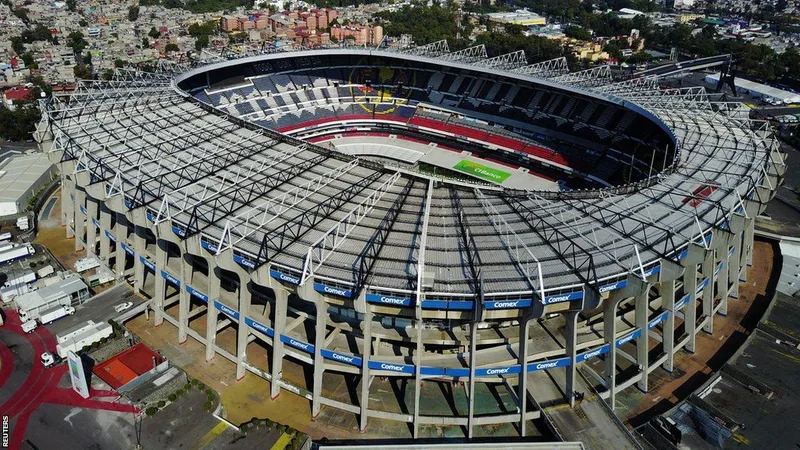
No stadium in World Cup history carries more weight than Estadio Azteca. Built in 1966, this 87,000-capacity colosseum has hosted two World Cup finals (1970 and 1986) and witnessed some of the greatest moments in football history, including Diego Maradona’s “Hand of God” and “Goal of the Century” against England. The stadium sits at an altitude of 2,240 metres above sea level, creating challenging conditions for visiting teams unaccustomed to the thin air. For the 2026 World Cup, Estadio Azteca has undergone extensive renovations to bring its facilities up to modern standards while preserving the historic atmosphere that makes it one of the most feared venues in world football.
SoFi Stadium, Los Angeles
SoFi Stadium in Inglewood, California, is the most expensive stadium ever built, and its futuristic design reflects the ambition of the 2026 World Cup. The 70,240-capacity venue features a translucent roof that allows natural light to flood the arena while protecting fans from the elements, creating a unique visual experience. SoFi’s state-of-the-art technology, including an immense double-sided video board, ensures that every fan has access to a premium viewing experience. Its location in the entertainment capital of the world adds an extra layer of glamour to any World Cup match staged there.
AT&T Stadium, Arlington
AT&T Stadium, home of the Dallas Cowboys, is one of the most iconic sporting venues in the United States. The 80,000-capacity stadium features a retractable roof and one of the largest video screens in the world, creating an enclosed atmosphere that amplifies the noise of the crowd. For World Cup matches, the roof can be closed to provide climate control in the Texas heat, ensuring comfortable conditions for players and fans alike. The stadium’s central location in the Dallas-Fort Worth metropolitan area makes it accessible for fans travelling from across the United States.
BC Place, Vancouver
BC Place represents Canada’s contribution to the World Cup venue portfolio. The 54,500-capacity stadium in downtown Vancouver features a retractable roof and has hosted major international football events, including matches at the 2015 FIFA Women’s World Cup. Vancouver’s multicultural population and passionate football community ensure that the atmosphere at BC Place will be electric. The stadium’s location, surrounded by mountains and waterfront, makes it one of the most scenically beautiful World Cup venues in history.
What Australian Fans Should Know
For Australian supporters planning to attend the World Cup, the choice of stadium significantly influences the overall experience. Venue capacity, transport links, nearby accommodation, and local culture all vary dramatically between host cities. The time zone differences across North American venues also affect match scheduling and broadcasting back to Australia. Fans following the Socceroos may need to travel between multiple cities depending on the draw, making advance planning essential.
The Stage Is Set
The stadiums of the 2026 World Cup will provide the backdrop for a month of football that promises to be the greatest spectacle in the sport’s history. From the historic grandeur of Estadio Azteca to the modern marvel of SoFi Stadium, each venue adds its own chapter to the World Cup story. For the Socceroos and their supporters, the dream is to experience these incredible arenas firsthand on the road to World Cup glory.
The A-League may play in more modest venues. But the ambition of Australian football is to compete on stages like these.
LF — Breaking news correspondent, australiafootball.com
 Best Betting Sites
 Best Online Casinos
 Blackjack Sites
 Online Pokies
 Fast Payout Casinos
 PayID Casinos
 New Casinos 2026