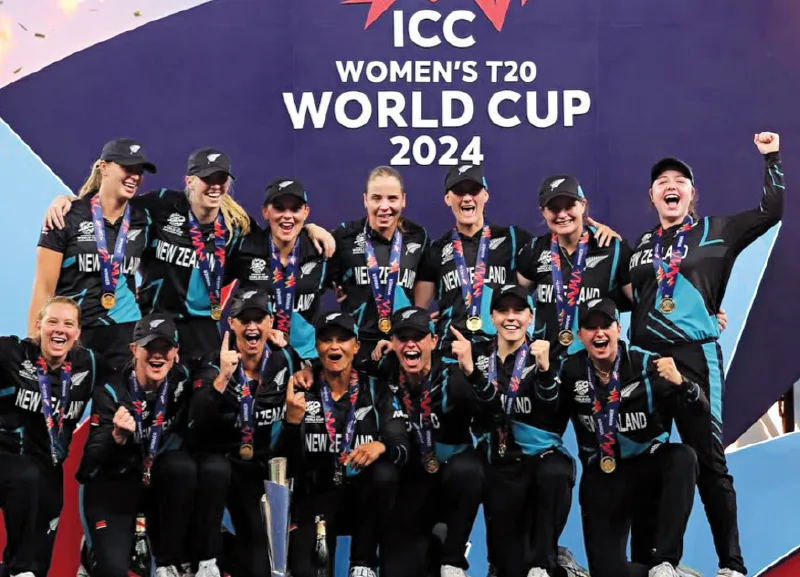
The fixtures are locked. The ICC confirmed the full match schedule for the 2026 Women’s T20 World Cup on Monday, with the tournament set for England and Wales from June 12 through July 5. It is the tenth edition of the competition — and the biggest. Twelve teams will contest the title, the largest field in tournament history.
Australia are placed in Group A alongside India, Pakistan, South Africa, Bangladesh, and the Netherlands. It is a group that demands attention from the opening match.
Australia’s Group Stage Fixtures
The schedule gives Australia five group matches across four English venues:
- June 13 — Australia vs South Africa, Old Trafford, 14:30 BST
- June 17 — Australia vs Bangladesh, Headingley, 10:30 BST
- June 20 — Australia vs Netherlands, Hampshire Bowl, 10:30 BST
- June 23 — Australia vs Pakistan, Headingley
- June 28 — Australia vs India, Lord’s, 14:30 BST
South Africa first is a significant opener. The Proteas have been Australia’s most competitive rival in recent ICC events, and Old Trafford provides a ground with pace and bounce that suits both sides. The Pakistan fixture on June 23 adds another high-stakes encounter to a group that offers no easy matches. Bangladesh and the Netherlands offer opportunities to settle combinations before the marquee fixture.
Australia versus India at Lord’s on June 28 is the blockbuster. The home of cricket hosting the tournament’s two most successful nations in a group stage match that could determine seedings for the knockout rounds. That fixture will draw the largest television audience of the group stage.
Six-Time Champions Under Pressure
Australia enter as six-time tournament winners and the benchmark in women’s T20 cricket. But the depth of this tournament field means the margin for error is thinner than in previous editions.
India’s squad has improved significantly in bilateral series through 2025 and into 2026. Pakistan’s development pathway has accelerated. South Africa remain dangerous in knockout-style formats. Even Bangladesh, who qualified through the regional pathway, bring competitive pace bowling that can disrupt top-order batting in English conditions.
The expanded 12-team format means more group matches and a longer tournament window. Squad management across three weeks in Eng
 Best Betting Sites
 Best Online Casinos
 Blackjack Sites
 Online Pokies
 Fast Payout Casinos
 PayID Casinos
 New Casinos 2026