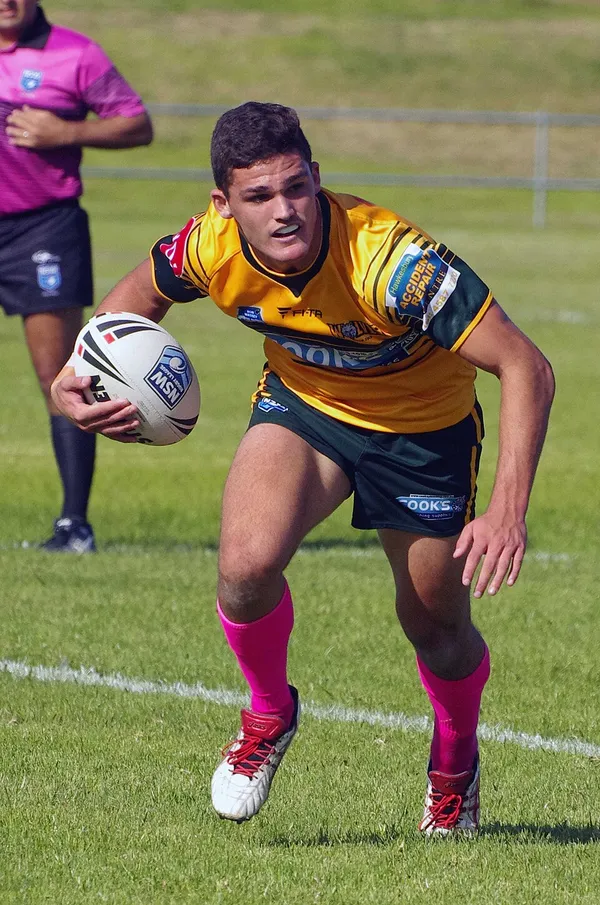
Nathan Cleary throwing Zac Lomax under the bus over the R360 venture isn’t just petty politics — it’s a window into the poisonous culture of player power that’s slowly strangling the NRL. When the game’s golden boy publicly questions another player’s decision-making process, we’re witnessing something far more sinister than a simple disagreement.
The fact that Cleary felt compelled to suggest Lomax “jumped the gun” and should have sought more details speaks to an uncomfortable truth: the NRL Hub is now operating under an unspoken hierarchy where certain players believe they have the right to police others’ business decisions.
The Entitled Elite
This isn’t about protecting player welfare or ensuring due diligence. This is about control. Cleary’s comments reveal the mentality of the entitled elite who believe their success on the field grants them authority over their peers’ careers. The Penrith Panthers halfback has won premierships, but that doesn’t make him the game’s moral authority.
What’s particularly galling is the timing. Lomax, who made the difficult decision to switch from the St George Illawarra Dragons to pursue opportunities with Parramatta, doesn’t need career advice from someone who’s never had to fight for recognition or scramble for security. Cleary’s path has been paved with privilege from day one.
The R360 venture represents player agency in its purest form — the ability to control one’s career trajectory without relying on the traditional power structures. When establishment figures like Cleary question these moves, they’re essentially arguing for the status quo that benefits them most.
The Real Game Behind the Game
What Cleary fails to understand — or chooses to ignore — is that not every player enjoys his luxury of choice. While he can afford to be selective and methodical, others must seize opportunities when they arise. The suggestion that Lomax should have gathered more information reeks of someone who’s never faced genuine career uncertainty.
This fracture between players also highlights how fractured the player movement has become. Those looking to capitalise on opportunities through ventures like R360 will find their decisions scrutinised by teammates who’ve never needed to take such risks. It’s creating a two-tiered system where NRL betting tips will soon be offering odds on which players will publicly criticise whose next career move.
Beyond the Playground Politics
The broader implications extend well beyond individual careers. When star players start questioning each other’s business acumen publicly, it undermines the collective bargaining power that the RLPA has worked decades to build. Cleary’s comments don’t just damage Lomax — they damage every player who might consider similar ventures in future.
This isn’t leadership; it’s gatekeeping. And in a sport where careers are brief and injuries are frequent, the last thing players need is judgment from those who’ve never experienced their struggles. The game’s biggest stars should be championing player agency, not questioning it.
VS — Chief sports columnist, australiafootball.com
 Best Betting Sites
 Best Online Casinos
 Blackjack Sites
 Online Pokies
 Fast Payout Casinos
 PayID Casinos
 New Casinos 2026