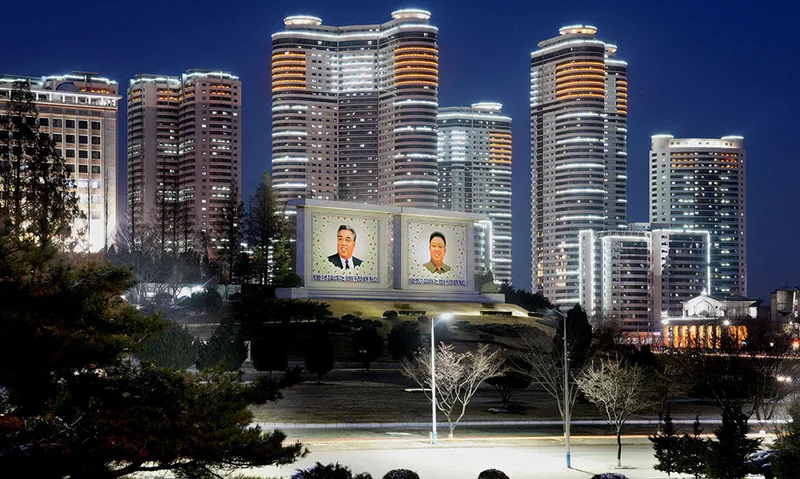
Football’s most uncomfortable truth isn’t about corruption or diving or VAR incompetence. It’s this: sometimes the beautiful game reveals humanity at its most grotesque. When the Matildas walked onto that Pyongyang pitch in 2007, they discovered what happens when sport becomes theatre of the absurd, performed before an audience programmed to mock.
Seventeen years later, as Australia prepares to host the AFC Women’s Asian Cup 2026 next year, that North Korean nightmare deserves revisiting. Not for nostalgia’s sake, but because it crystallises everything wrong with how women’s football has been treated—and why the upcoming tournament on home soil matters so bloody much.
When Laughter Becomes Violence
Picture this: 50,000 people in perfect synchronisation, not cheering or jeering but laughing. Laughing at professional athletes doing their job. Laughing at women who’d trained their entire lives for this moment. The Matildas weren’t just playing football in Pyongyang; they were unwilling participants in state-sanctioned humiliation.
The orchestrated mockery wasn’t random cruelty—it was calculated psychological warfare disguised as entertainment. Every stumble, every missed pass, every moment of human imperfection became fodder for collective ridicule. This wasn’t partisan support gone wrong; this was something far more sinister. The North Korean regime had weaponised an entire stadium against eleven Australian women whose only crime was representing their country.
What makes the memory particularly bitter is how perfectly it encapsulated women’s football’s global struggle for respect. Here were elite athletes, some who would go on to inspire the current generation including players like Caitlin Foord and Alanna Kennedy, being treated like court jesters rather than competitors.
The Beautiful Game’s Ugly Underbelly
That Pyongyang match exposed football’s capacity for institutional cruelty. While men’s international football has always carried political weight, women’s matches have too often been treated as sideshows—worthy of laughter rather than investment, curiosity rather than respect.
The orchestrated mockery in North Korea was simply the most extreme version of attitudes that persisted globally. How many times have we heard women’s football described with patronising adjectives? How often has genuine sporting achievement been diminished by backhanded compliments about “improving standards” or “growing the game”?
The Matildas endured something no athlete should face: being reduced to entertainment value divorced from sporting merit. They weren’t just representing Australia that night; they were inadvertently representing every female footballer who’d been laughed at, dismissed, or treated as lesser.
Home Advantage, Finally
Which brings us to why next year’s AFC Women’s Asian Cup 2026 matters so profoundly. After decades of playing in hostile environments, indifferent venues, and half-empty stadiums, the Matildas will host Asia’s premier women’s tournament on home soil.
The contrast couldn’t be starker. Where Pyongyang offered orchestrated ridicule, Australia will provide genuine support. Where North Korea weaponised spectatorship, Australian crowds will celebrate athletic excellence. The tournament represents everything that night in 2007 wasn’t: respect, recognition, and proper investment in women’s football.
Sometimes sports need their villains to appreciate their heroes. North Korea’s calculated cruelty in 2007 makes Australia’s hosting opportunity in 2026 feel like sporting justice. The beautiful game deserves beautiful moments—and after Pyongyang’s ugliness, the Matildas have earned them.
VS — Chief sports columnist, australiafootball.com
 Best Betting Sites
 Best Online Casinos
 Blackjack Sites
 Online Pokies
 Fast Payout Casinos
 PayID Casinos
 New Casinos 2026