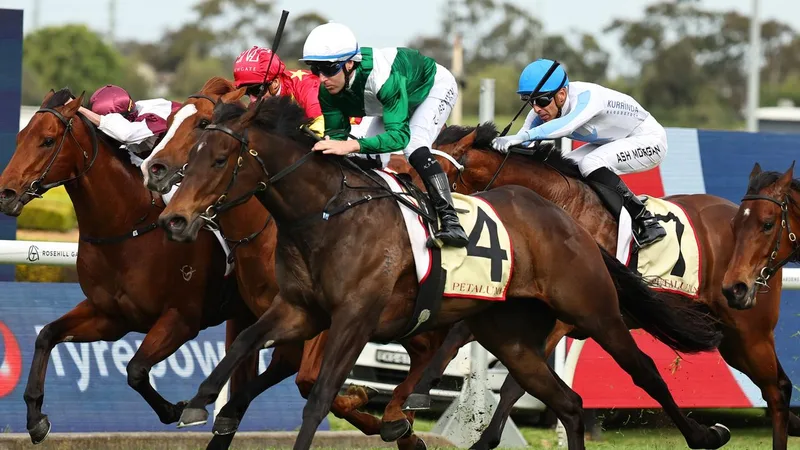
Here’s the uncomfortable truth about Australia’s most prestigious two-year-old race: Golden Slipper winners don’t conquer the Australian Cup. They arrive at Flemington with fanfare, depart with bruised reputations. Today’s Golden Slipper field at Rosehill carries the weight of history — and the odds suggest most will buckle under it.
The statistics are damning. Since the Australian Cup’s modern incarnation, fewer than 15% of Golden Slipper champions have claimed the weight-for-age feature six months later. The reasons are brutally simple: different distances, different pressures, different horses.
The Physical Evolution Problem
The Golden Slipper’s 1200-metre sprint rewards precocious speed and tactical sharpness. The Australian Cup’s 2000 metres demands stamina and tactical patience. What makes a champion at two rarely translates at three — it’s biology, not brilliance.
Consider the training philosophies that dominate today’s field. Chris Waller Racing has mastered the art of peaking juveniles for one massive day, but even Waller’s methods struggle with the transition. His Golden Slipper graduates historically flame out in cup company, victims of their own early excellence.
The issue isn’t talent — it’s trajectory. Horses who peak at two often plateau at three. The fierce competition that produces Golden Slipper glory frequently burns out the very qualities needed for middle-distance success. Speed becomes a liability when stamina matters more.
Breaking the Pattern
Yet this year feels different. The James Cummings Godolphin stable has refined its approach, focusing on horses with genuine staying potential rather than pure sprinting brilliance. Their recent Golden Slipper graduates show more promise in Australian Cup preparation than previous generations.
The jockey factor matters too. James Mcdonald has repeatedly proven his ability to adapt riding styles between juvenile sprint features and middle-distance challenges. His tactical awareness could bridge the gap that has historically claimed so many champions.
Modern training methods also offer hope. The old approach of flogging two-year-olds into submission has evolved. Trainers like Ciaron Maher David Eustace now emphasise sustainable development over short-term glory, producing horses better equipped for Australian Cup challenges.
The Cultural Expectation Trap
But here’s where it gets interesting: the expectation itself becomes the enemy. Golden Slipper winners carry impossible burdens into the Australian Cup. Punters expect dominance. Owners demand vindication. Trainers feel pressure to prove their champion’s versatility.
This psychological weight often proves heavier than the physical challenge. Horses who thrived under Rosehill’s unique pressure cooker can struggle with Flemington’s different demands. The crowd expects fireworks; they often get disappointment.
The smart money recognises this pattern. While casual punters chase Golden Slipper graduates, experienced players look elsewhere for Australian Cup value. History suggests they’re right to be sceptical.
VS — Chief sports columnist, australiafootball.com
 Best Betting Sites
 Best Online Casinos
 Blackjack Sites
 Online Pokies
 Fast Payout Casinos
 PayID Casinos
 New Casinos 2026