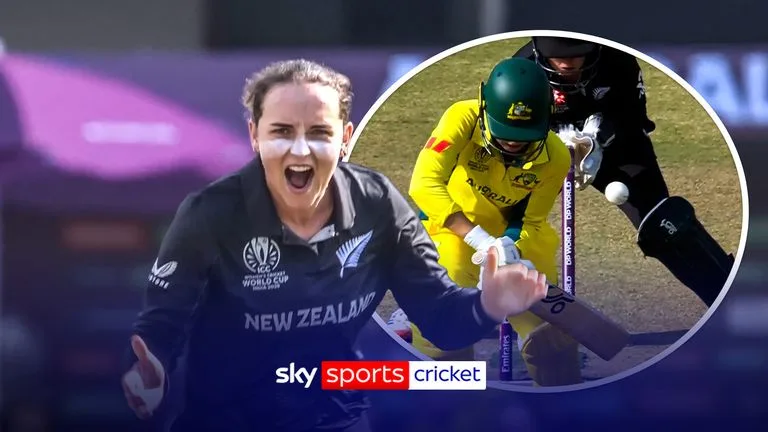
When Melie Kerr smashed her way to 554 runs across 10 T20I innings to claim a new world record, the cricket world barely blinked. Here’s a player rewriting the record books with a series-clinching cameo against South Africa, yet the collective response feels muted, perfunctory, almost apologetic. If this were a male cricketer achieving the same feat, we’d have wall-to-wall coverage, sponsor announcements, and breathless analysis about the future of the format.
Instead, Kerr’s extraordinary achievement gets filed under “women’s cricket news” — that polite little category that cricket administrators trot out to prove their progressive credentials before returning to the real business of promoting men’s matches.
The Numbers Don’t Lie, But Coverage Does
The raw statistics are staggering. Averaging over 55 runs per innings across a 10-match span in the shortest format represents sustained excellence that transcends gender boundaries. Yet cricket media continues to treat women’s achievements as separate-but-equal curiosities rather than integral parts of the sport’s narrative. This isn’t about political correctness or forced equality — it’s about recognising genuine sporting brilliance when it stares you in the face.
Compare Kerr’s treatment to how Australian cricket celebrates male record-breakers. When Steve Smith was rewriting batting records, every innings became appointment television. The CRICKET Hub was flooded with analysis, comparisons, and projections about his place in history. Kerr’s achievement gets a congratulatory tweet and moves on.
The problem isn’t just media indifference — it’s the structural reluctance to acknowledge that women’s cricket has evolved beyond a developmental sideshow. Kerr’s numbers demand respect on their own merit, not qualified praise about how impressive they are “for women’s cricket.”
Breaking Records, Not Barriers
What makes Kerr’s feat particularly galling for cricket’s establishment is its timing. Women’s cricket is experiencing unprecedented growth, with broadcast deals improving and attendance figures climbing steadily. Yet the sport’s power brokers still treat it like a charity case requiring patronising encouragement rather than a legitimate entertainment product capable of standing alongside its male equivalent.
The series-clinching context of Kerr’s record adds another layer of achievement that cricket’s marketing machine consiste
 Best Betting Sites
 Best Online Casinos
 Blackjack Sites
 Online Pokies
 Fast Payout Casinos
 PayID Casinos
 New Casinos 2026