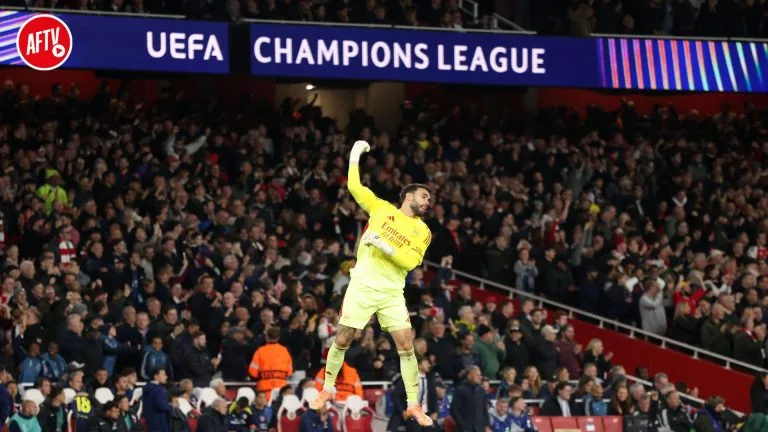
Arsenal’s 3-1 triumph over Chelsea in the Women’s Champions League quarter-final first leg represents more than a favourable aggregate position—it signals a tactical awakening that could reshape perceptions of English women’s football on the European stage.
The comprehensive nature of this victory, achieved against domestic rivals who have dominated the Women’s Super League landscape for the past half-decade, suggests Arsenal have finally constructed the systematic approach necessary for continental success. Where previous English representatives often relied on athleticism and individual brilliance, this Arsenal performance demonstrated the kind of collective tactical intelligence that separates quarter-finalists from genuine contenders.
The Evolution of English Tactical Identity
The inclusion of Ellie Carpenter on Arsenal’s bench following Australia’s Asian Cup final appearance speaks to a broader transformation within English women’s football. Carpenter’s presence—despite her recent international commitments—reflects Arsenal’s commitment to building a squad capable of competing across multiple demanding competitions simultaneously.
This tactical depth has become essential as the Women’s Champions League has evolved from a showcase of individual talent to a laboratory for tactical innovation. Arsenal’s performance against Chelsea demonstrated they understand this evolution, constructing their victory through systematic pressure rather than relying on moments of individual inspiration.
The tactical framework that produced this result bears examination. Arsenal’s ability to neutralise Chelsea’s traditionally dominant midfield suggests they have developed the kind of positional discipline that has long characterised successful European campaigns. This represents a significant departure from the more direct approaches that have historically defined English women’s football.
Continental Implications and Aggregate Psychology
The 3-1 scoreline creates fascinating psychological dynamics for the return leg. While a two-goal advantage appears commanding, the away goal dynamic that once governed European competition has been abolished, meaning Chelsea’s single strike carries no additional weight beyond its numerical value.
This tactical reality should encourage Arsenal to approach the second leg with the kind of controlled aggression that characterises truly elite European performances. The temptation to defend their advantage must be balanced against the recognition that Chelsea possess the individual quality to overturn any deficit given sufficient opportunity.
Arsenal’s performance also represents a broader validation of English tactical development. The systematic nature of their victory—built through collective pressing, positional rotation, and calculated risk-taking—suggests English women’s football has moved beyond its historical reliance on physical superiority and individual moments.
The Broader European Context
This result resonates beyond the immediate tie because it demonstrates that English teams can compete tactically with Europe’s most sophisticated footballing cultures. Arsenal’s tactical approach bore similarities to the kind of systematic football that has made Spanish and German women’s teams so formidable in recent European campaigns.
The performance also validates the investment in tactical education that has characterised English women’s football’s recent evolution. Arsenal’s ability to execute complex positional rotations while maintaining defensive discipline suggests their coaching structure has embraced the kind of systematic thinking that produces sustained European success.
Chelsea’s response in the return leg will reveal whether this was an aberrant performance or evidence of a genuine tactical gulf. The stakes extend beyond this particular tie—English women’s football’s European credibility hangs in the balance, with Arsenal carrying the weight of demonstrating that tactical sophistication can flourish within English football’s traditionally direct culture.
The aggregate scoreline provides Arsenal with options, but European history suggests that genuine tactical superiority, rather than mathematical advantage, determines quarter-final outcomes.
AK — Senior tactical analyst, australiafootball.com
 Best Betting Sites
 Best Online Casinos
 Blackjack Sites
 Online Pokies
 Fast Payout Casinos
 PayID Casinos
 New Casinos 2026