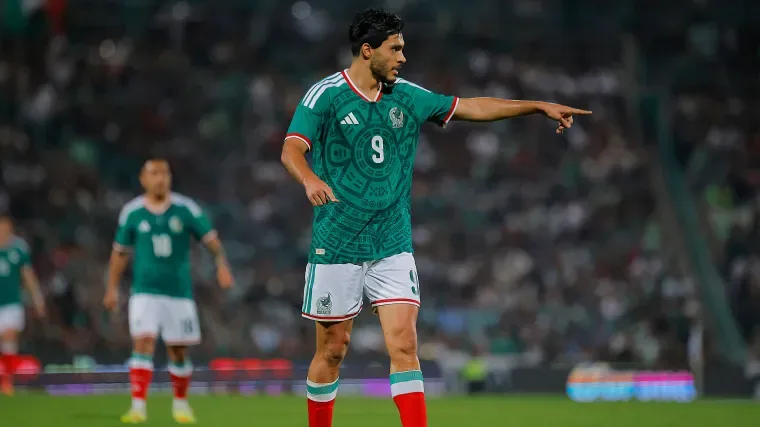
Mexico’s impending World Cup squad announcement carries weight that extends far beyond typical roster reveals. When Javier Aguirre unveils his final 26-man selection, he’ll be defining not just a team, but the trajectory of Mexican football’s relationship with its most significant tournament in decades.
The Co-Host Burden
As co-hosts of the 2026 FIFA World Cup, Mexico are heading into this summer’s tournament with hopes of a return to prominence on the global stage. This simple statement masks a complexity that few nations have faced — the poisoned chalice of hosting expectations combined with genuine competitive ambitions.
El Tri haven’t just stumbled recently; they’ve been systematically dismantled by the very tournaments that once defined their identity. The Qatar 2022 group-stage exit wasn’t an aberration — it was the culmination of structural problems that hosting privileges won’t magically solve. While Germany and other traditional powers have rebuilt their foundations, Mexico has relied on the familiar faces of an ageing generation.
Aguirre’s selection dilemma reflects broader questions about Mexican football’s development pipeline. The domestic league’s insularity, combined with limited European breakthrough talents, has created a talent pool that looks remarkably similar to the one that disappointed in Qatar. The co-hosting arrangement provides stage management opportunities — favourable scheduling, home crowds, reduced travel — but none of these advantages address fundamental squad quality issues.
Beyond the Obvious Choices
The truly fascinating aspect of Mexico’s roster construction isn’t who gets selected, but who gets sacrificed for the narrative. Aguirre must balance experience against evolution, knowing that veteran leadership has repeatedly failed when tournament pressure intensifies. The WORLD-CUP Hub reveals how other nations have navigated similar transitions, but Mexico’s timeline is compressed by hosting duties that demand immediate competitiveness.
What makes this announcement particularly intriguing is how it reflects Mexico’s broader football philosophy. The federation has consistently chosen comfort over revolution, maintaining coaching networks and player hierarchies that prioritise familiarity over merit. Aguirre’s previous tenure demonstrated both the benefits and limitations of this approach — tactical discipline undermined by conservative selection policies.
The betting markets have already begun factoring these considerations into their calculations, with Socceroos betting odds reflecting how other nations view Mexico’s potential trajectory. Australia’s own World Cup campaign will intersect with Mexico’s co-hosting narrative, creating fascinating tactical and psychological dynamics when these approaches meet on North American soil.
The Verdict That Matters
Mexico’s squad announcement represents more than roster management — it’s a statement about whether the federation understands the difference between hosting and competing. The comfortable assumptions that sustained El Tri through previous cycles won’t survive the magnified scrutiny of co-hosting responsibilities.
Aguirre’s selections will ultimately reveal whether Mexico views 2026 as a celebration or a competition. The distinction matters because hosting privileges provide platforms, not performances. When the tournament begins and tactical realities replace ceremonial responsibilities, squad quality becomes the only currency that matters.
The announcement date approaches with Mexico facing a choice between evolutionary comfort and revolutionary necessity. Their decision will define not just this World Cup cycle, but the credibility of co-hosting as a pathway to competitive relevance.
VS — Chief sports columnist, australiafootball.com
 Best Betting Sites
 Best Online Casinos
 Blackjack Sites
 Online Pokies
 Fast Payout Casinos
 PayID Casinos
 New Casinos 2026