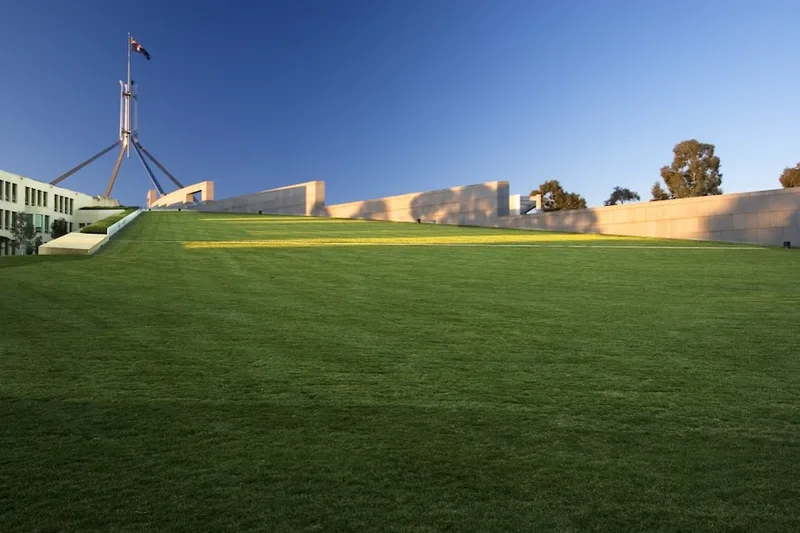
Manuka Oval’s six towering light poles lean inwards at deliberate angles, creating an unusual sight that exposes the absurdity of Canberra’s planning bureaucracy. The 47-metre-high structures couldn’t be built vertically due to ACT planning restrictions that prioritise paperwork over practicality.
Engineering Bent to Bureaucracy
The leaning towers of Manuka represent everything wrong with Australia’s approach to sporting infrastructure. Engineers designed perfectly functional vertical poles, only to discover that Canberra’s planning rules demanded impossible compromises.
Rather than challenge ridiculous regulations, authorities bent the engineering to fit the bureaucracy. The result? Light towers that look like they’re perpetually falling over, creating an optical illusion that visitors notice immediately.
This isn’t just about aesthetics. When planning rules force engineers to compromise basic structural principles, it raises questions about every other sporting venue across Australia. How many cricket grounds, football stadiums, and general sporting facilities have been compromised by similar bureaucratic overreach?
The Real Cost of Red Tape
Manuka Oval hosts AFL matches, cricket internationals, and serves as a premier sporting venue for the ACT. Yet its defining visual feature isn’t the quality of the surface or the view from the stands — it’s the comedy of leaning light poles that scream “planning failure” to every spectator.
The engineering solution works. The lights illuminate the ground effectively despite their unnatural angles. But the broader principle is rotten: when sporting infrastructure must be designed around planning department whims rather than engineering best practice, something fundamental has gone wrong.
Every other capital city manages to install vertical light poles at major sporting venues. Melbourne’s MCG, Sydney’s ANZ Stadium, Perth’s Optus Stadium — none required gravity-defying compromises to satisfy planning departments.
Lessons for Australian Sport
The Manuka Oval situation highlights a national problem that extends far beyond the ACT. Sporting infrastructure across Australia faces increasing bureaucratic interference that prioritises process over outcome.
Cricket clubs wait years for pavilion approvals. Football grounds struggle with noise restrictions that treat crowd noise like industrial pollution. Tennis facilities battle heritage overlays that treat 1980s clubhouses like cultural treasures.
Meanwhile, general sports development suffers as clubs navigate planning mazes that would challenge professional lawyers, let alone volunteer committees trying to build community facilities.
The leaning light poles of Manuka Oval stand as monuments to misplaced priorities. They work, but they shouldn’t have been necessary.
LF — Breaking news correspondent, australiafootball.com
 Best Betting Sites
 Best Online Casinos
 Blackjack Sites
 Online Pokies
 Fast Payout Casinos
 PayID Casinos
 New Casinos 2026