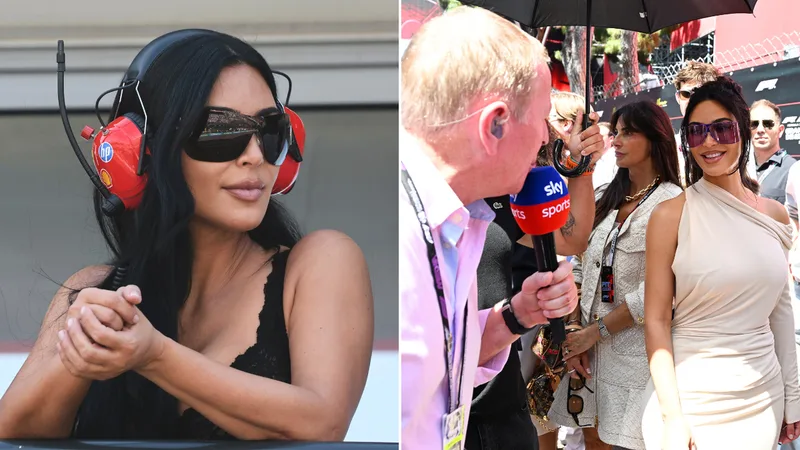
Kim Kardashian’s dismissive treatment of a veteran journalist at Monaco perfectly encapsulates Formula 1’s most pressing identity crisis. The sport that once prided itself on pure speed and engineering excellence has become a celebrity playground where reality TV stars command more paddock respect than the people paid to cover the actual racing.
‘So, we’re not talking today?’ The question hangs in the air like exhaust fumes over the Principality, but it’s really F1 asking itself the same thing about its core values.
Monaco’s Celebrity Problem
Monaco has always attracted the wealthy and famous, but something fundamental shifted when F1 became Netflix content first, sport second. The paddock club now resembles a Met Gala afterparty, with celebrities granted access that actual motorsport journalists — the people who’ve covered Max Verstappen’s rise or Lewis Hamilton’s legacy — can only dream of.
This isn’t about begrudging celebrity attendance. Sport needs star power and mainstream appeal. It’s about the hierarchy of respect and access that’s been completely inverted. When a Kardashian can dismiss a working journalist with the casual cruelty of a Monaco socialite shooing away street performers, F1 has lost its way.
The irony cuts deeper when you consider that Monaco’s racing product has become increasingly processional. Overtaking is nearly impossible, qualifying determines the race result, and the spectacle relies heavily on glamour and prestige rather than competitive drama. Perfect, then, that it’s become F1’s unofficial celebrity headquarters.
The Netflix Effect
Drive to Survive transformed F1’s global profile, bringing American audiences and Hollywood attention. The sport’s growth metrics look spectacular, but what’s been traded away? The paddock culture that once revolved around engineering prowess, driver skill, and racing purity now prioritises Instagram moments and celebrity endorsements.
This cultural shift trickles down to every level. Young fans discover F1 through manufactured drama rather than appreciation for what separates a Red Bull Racing strategist from a Ferrari pit crew under pressure. They learn team allegiances based on driver aesthetics rather than constructors’ championship battles.
Meanwhile, veteran motorsport journalists — the institutional memory of the sport — find themselves competing for access with influencers whose F1 knowledge extends barely beyond recognising the current championship leader.
Racing’s Real Stars
The genuine tragedy isn’t Kardashian’s behaviour, which was predictably self-absorbed. It’s that F1’s most compelling stories remain largely untold while cameras focus on celebrity reactions to DRS zones they couldn’t explain.
Consider the technical revolution happening at teams like McLaren or the emerging talent pipeline feeding drivers like Jack Doohan into the sport. These narratives require expertise, context, and sustained coverage — exactly what experienced motorsport journalists provide.
But why invest in understanding suspension geometry or aerodynamic philosophy when celebrity culture generates more clicks, more social media engagement, more superficial buzz? The sport’s digital metrics soar while its soul gets commodified for content.
With the Barcelona-Catalunya GP 2026 approaching in just three days, F1 has an opportunity to refocus on what actually matters: the competition. Circuit de Barcelona-Catalunya rewards technical excellence and driving skill over celebrity networking abilities.
The real question isn’t whether Kim Kardashian will apologise to that journalist. It’s whether Formula 1 will remember that its greatest stories emerge from the garage, not the guest list.
VS — Chief sports columnist, australiafootball.com
 Best Betting Sites
 Best Online Casinos
 Blackjack Sites
 Online Pokies
 Fast Payout Casinos
 PayID Casinos
 New Casinos 2026