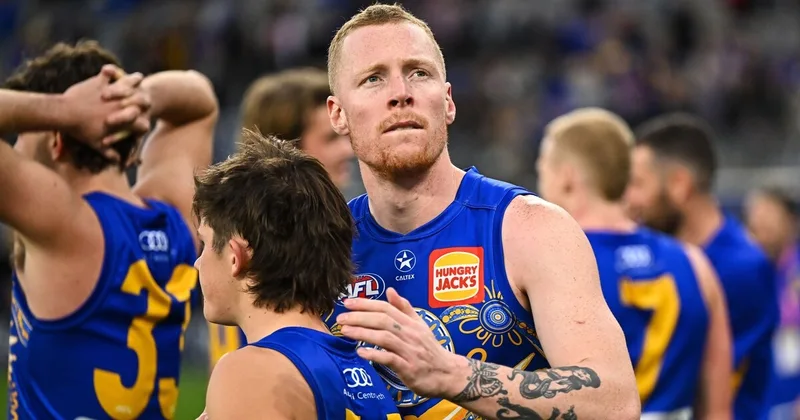
West Coast’s contemplation of a dual-ruck structure against Geelong Cats represents far more than simple personnel management—it constitutes a calculated assault on what remains the Cats’ most persistent structural vulnerability. While Elijah Hewett’s return from injury provides the Eagles with renewed midfield depth, the strategic implications of deploying two ruckmen simultaneously could fundamentally alter the contest’s trajectory in ways that extend beyond conventional wisdom.
The Historical Precedent for Dual-Ruck Warfare
The dual-ruck system has experienced cyclical popularity throughout AFL history, most recently witnessing success when clubs possessed the personnel to execute it without sacrificing forward pressure or defensive structure. Richmond’s brief experimentation with Ivan Soldo and Toby Nankervis during their 2017-2020 dominance demonstrated how two quality ruckmen could create numerical advantages around the ground while maintaining competitive balance in other areas.
Geelong’s vulnerability to this approach stems from their reliance on a single primary ruckman operating within a system that prioritises ball movement over contested possession dominance. The Cats’ defensive transitions depend heavily on winning clean possession from stoppages, allowing their elite ball-users to initiate their trademark switching game. When faced with superior ruck numbers, this foundation becomes compromised, forcing hurried decisions that contradict their systematic approach.
Hewett’s Return Creates Strategic Flexibility
Elijah Hewett’s availability after his injury-interrupted start to the season provides West Coast with the midfield depth necessary to absorb the reduced rotation capacity that accompanies a dual-ruck structure. His natural ability to win contested possession and provide defensive pressure allows the Eagles to maintain midfield competitiveness while deploying additional height around the ground.
The timing proves particularly significant given Gather Round’s unique pressures, where teams often struggle with standard rotation patterns due to the neutral venue dynamic and heightened intensity. Hewett’s fresh legs could prove decisive in the final quarter, when accumulated fatigue typically determines outcomes in closely contested matches.
More crucially, his return allows coach Adam Simpson to experiment with unconventional structures without compromising midfield depth—a luxury unavailable d
 Best Betting Sites
 Best Online Casinos
 Blackjack Sites
 Online Pokies
 Fast Payout Casinos
 PayID Casinos
 New Casinos 2026