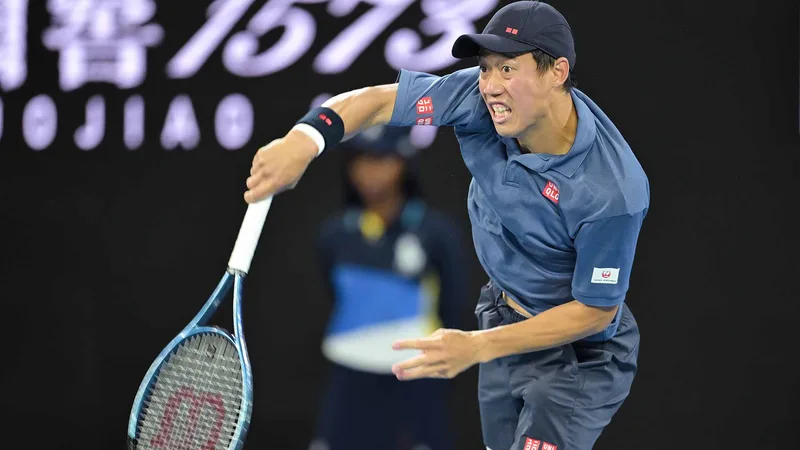
Japanese tennis star Kei Nishikori has announced his retirement from professional tennis at the end of the 2026 season. The former world No. 4 made the emotional declaration on social media, citing the fulfilment of his childhood dreams on the global stage.
Career-Defining Achievements
Nishikori’s career trajectory represents one of Asian tennis’s greatest success stories. His breakthrough came at the 2014 US Open, where he became the first Asian man to reach a Grand Slam singles final in the Open Era.
The 36-year-old maintained a consistent presence in the ATP Top 10 during his peak years, reaching a career-high ranking of No. 4 in March 2015. His aggressive baseline game and mental resilience against top-ranked opponents established him as a legitimate threat on any surface.
His Olympic bronze medal at the 2016 Rio Games stands as another career highlight, showcasing his ability to perform under pressure for his nation. That achievement particularly resonated in Japan, where tennis participation surged following his success.
Injury Struggles and Comeback Attempts
Recent seasons have been marked by persistent injury battles that limited Nishikori’s tournament appearances. Multiple surgeries and rehabilitation periods disrupted his ranking momentum, though he continued pursuing competitive excellence.
The decision timing allows Nishikori to plan a farewell tour across key tournaments in 2026. Japanese tennis fans will particularly anticipate his final appearances on home soil, where he remains a beloved sporting figure.
His announcement emphasises the passion that drove him from childhood tennis courts to competing against players like Novak Djokovic and other elite competitors. That same drive sustained him through ranking climbs and injury setbacks throughout his professional career.
Legacy Impact on Asian Tennis
Nishikori’s influence extends beyond personal achievements to inspiring a generation of Asian tennis players. His success opened doors for increased investment in tennis development programmes across the region.
The tennis community will remember his aggressive return game and ability to generate power from compact swings. His technical approach influenced coaching methods and player development strategies throughout Asia.
Current stars like
 Best Betting Sites
 Best Online Casinos
 Blackjack Sites
 Online Pokies
 Fast Payout Casinos
 PayID Casinos
 New Casinos 2026