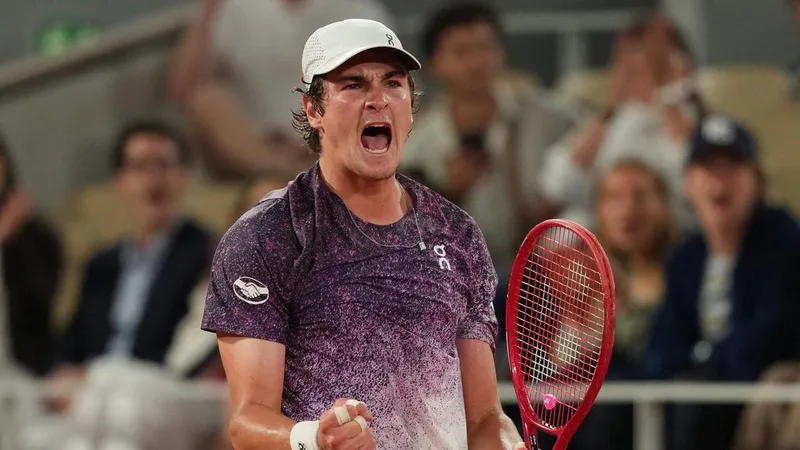
The guard is officially changing at Roland Garros, with teenage sensations making unprecedented inroads into the business end of tennis’s most grueling major.
Young Guns Rewrite History Books
Joao Fonseca and Rafael Jodar have torn through established opposition to reach the French Open quarterfinals. Their breakthrough runs represent more than individual success — they signal a seismic shift in professional tennis’s power structure.
Fonseca’s clay court mastery has caught veterans off guard, whilst Jodar’s comeback victories showcase the fearless mentality defining this new generation. Neither player carries the baggage of previous Grand Slam failures. They’re playing with house money and maximum aggression.
Pressure Test for Veterans
The presence of multiple teenagers in the quarterfinals exposes uncomfortable truths for tennis’s established hierarchy. Players who dominated the sport for years now face opponents with nothing to lose and everything to gain.
These young stars aren’t intimidated by reputation or ranking. They’ve grown up watching tennis’s biggest names on screens, not pedestals. That psychological freedom translates into fearless shot-making when pressure moments arrive.
The Australian contingent, including Alex De Minaur, will be studying these breakthrough performances closely. Youth movement or not, Grand Slam quarterfinals demand respect regardless of the player’s birth certificate.
Roland Garros 2026 is becoming a masterclass in generational transition, with established stars fighting to maintain relevance against opponents who measure success differently.
LF — Breaking news correspondent, australiafootball.com
 Best Betting Sites
 Best Online Casinos
 Blackjack Sites
 Online Pokies
 Fast Payout Casinos
 PayID Casinos
 New Casinos 2026