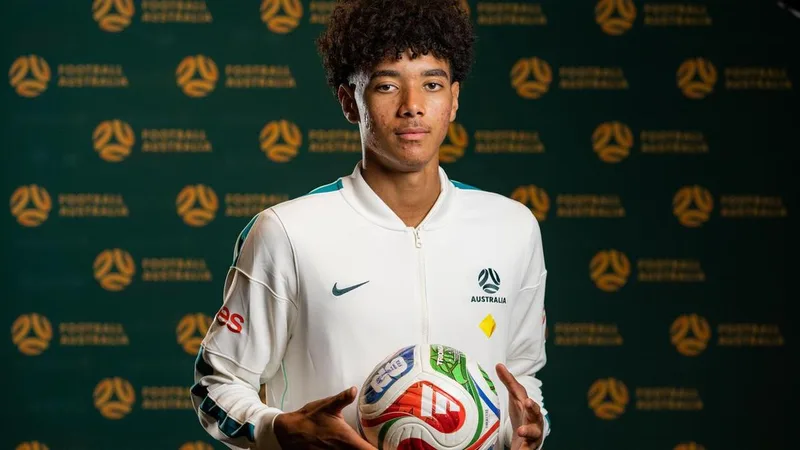
Tony Popovic’s defensive revolution is gathering pace as the Socceroos coach places his faith in Australia’s emerging talent to shore up the backline ahead of the 2026 World Cup. Apart from stalwart Harry Souttar, the national team boss has turned to a youthful defence to anchor Australia’s campaign.
New Generation Takes Control
The shift represents a calculated gamble from Popovic, who’s clearly identified the need for long-term stability over short-term experience. While veteran defenders who served under previous regimes have stepped aside, a crop of hungry youngsters are seizing their opportunity on the international stage.
Souttar remains the cornerstone of this defensive rebuild, bringing Premier League pedigree and leadership qualities that can’t be manufactured overnight. The Sheffield United centre-back’s presence provides the perfect foundation for less experienced teammates to grow into their international roles without the full weight of expectation.
The SOCCEROOS Hub shows this youth movement extends beyond just one or two positions. Full-back roles have opened up for players who might have waited years for their chance under previous coaching setups, while central defensive partnerships are being forged through competitive training camps rather than assumed experience.
World Cup Timeline Drives Selection Philosophy
Popovic’s timeline works perfectly for this generational transition. The 2026 World Cup gives these emerging defenders crucial months to build chemistry and understanding at international level. Rather than rushing veterans back for short-term fixes, the coach is investing in combinations that could serve Australia through multiple major tournaments.
The betting markets reflect this uncertainty around Australia’s defensive setup, with football betting in Australia showing varied odds on the Socceroos’ World Cup prospects as bookmakers assess how quickly this new-look defence can gel.
What makes this approach particularly intriguing is how it mirrors successful international teams who’ve balanced experience with hunger. Spain’s 2010 World Cup triumph featured several defenders who’d grown together through youth systems and competitive club football, creating an understanding that proved unbreakable under pressure.
Building Blocks for Tournament Success
The real test comes when these defensive partnerships face genuine World Cup-level opposition. Friendly matches and qualifiers provide valuable experience, but tournament football demands split-second decision-making and absolute trust between defensive partners.
Popovic clearly believes this group possesses the technical ability and mental strength to handle that pressure. His track record suggests he won’t persist with players who can’t meet international standards, regardless of age or potential.
Australia’s defensive future looks increasingly bright with this youth injection. If Popovic’s judgment proves correct, the Socceroos could enter the 2026 World Cup with a backline capable of frustrating the world’s best attacking talents.
LF — Breaking news correspondent, australiafootball.com
 Best Betting Sites
 Best Online Casinos
 Blackjack Sites
 Online Pokies
 Fast Payout Casinos
 PayID Casinos
 New Casinos 2026