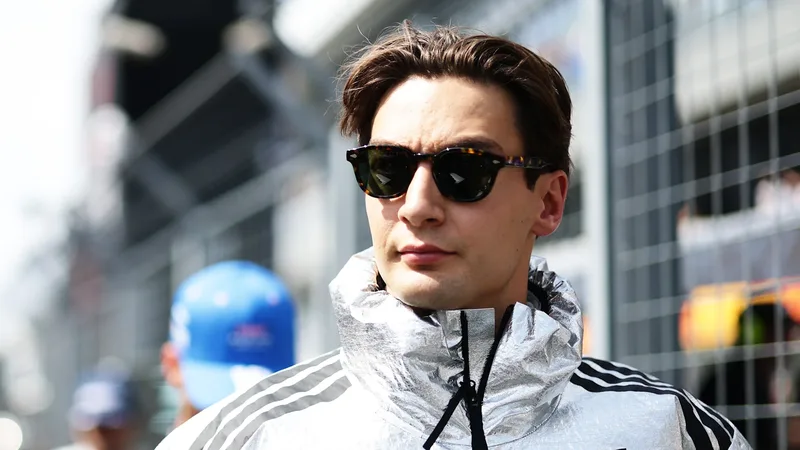
He drives a completely different vehicle at a completely different speed on a completely different surface — but George Russell’s post-Hungarian Grand Prix admission lands somewhere uncomfortably close to home for anyone who follows Australian horse racing seriously.
When the Rollercoaster Stops Being Fun
Russell, reflecting on another dramatic weekend in what he called his “rollercoaster” 2026 Formula 1 season, said the summer break “probably couldn’t come at a better time” and that he plans to simply forget about racing for a while. He didn’t dress it up. He didn’t reach for the approved media-training language about “refocusing” and “resetting.” He just said: I need out, temporarily.
That kind of bluntness is rare in motorsport, which has historically operated on the same emotional suppression model as every other elite competition. But it’s even rarer in Australian horse racing, an industry that runs approximately fifty weeks a year, churns through Saturday metropolitan fixtures and mid-week country meetings without blinking, and expects its participants — from Jamie Kah riding a full book at Flemington to the strapper getting up before four in the morning — to simply absorb the grind as a condition of employment.
The carnival calendar alone is punishing. Melbourne Cup Carnival bleeds into the Christmas Cup season, which bleeds into the Sydney autumn, which bleeds into Brisbane winter racing. Somewhere in there, riders are flying interstate on Sunday night to make Monday barriers. Trainers with large stables — your Chris Waller Racing operations, your James Cummings Godolphin juggernauts — are managing horses across multiple jurisdictions simultaneously. Nobody schedules a summer break from the mental load because the industry is structurally allergic to the concept.
The Load Nobody Talks About Publicly
Here’s what makes Russell’s comment worth taking seriously beyond the F1 paddock gossip cycle: he’s not talking about physical fatigue. He’s talking about cognitive and emotional saturation. A “rollercoaster season” isn’t just a string of bad results. It’s the accumulated weight of expectation, public scrutiny, internal team politics, and the relentless demand to perform under pressure every single fortnight.
Sound familiar? Ask Damian Lane about riding through a losing streak when the form guides are dissecting every decision. Ask any jockey who has bounced back from injury what the mental re-entry into race-day pressure actually costs. The physical rehabilitation gets documented. The mental re-calibration gets ignored because the industry doesn’t have language for it and the fixture list certainly doesn’t accommodate it.
Australian horse racing has long prided itself on producing tough competitors — Bart Cummings didn’t take holidays, the mythology goes, and look how that turned out. But survivorship bias is doing a lot of work in that argument. We remember the champions who endured. We don’t keep great statistics on the careers quietly shortened by burnout, or the decisions made badly in the back half of a racing year when someone’s mental reserves were genuinely empty.
The horse-racing industry here is not short of talent, but it has a habit of consuming it at a rate that should concern administrators more than it currently does. Racing Victoria and Racing NSW have made genuine progress on rider welfare frameworks, but structural change — actual scheduled breathing room built into the racing calendar — remains conspicuously absent from the conversation.
Russell will get his break. He’ll come back refreshed, and the paddock will be better for it. The question worth asking on this side of the world is whether Australian racing’s best ever give themselves the same permission — and whether the industry would allow it if they tried.
That matters well beyond the horse racing bubble. Sport at every level is slowly learning that the relationship between rest and performance isn’t soft. It’s science. Russell knows it. The starting gates don’t care either way.
VS — Chief sports columnist, australiafootball.com
 Best Betting Sites
 Best Online Casinos
 Blackjack Sites
 Online Pokies
 Fast Payout Casinos
 PayID Casinos
 New Casinos 2026