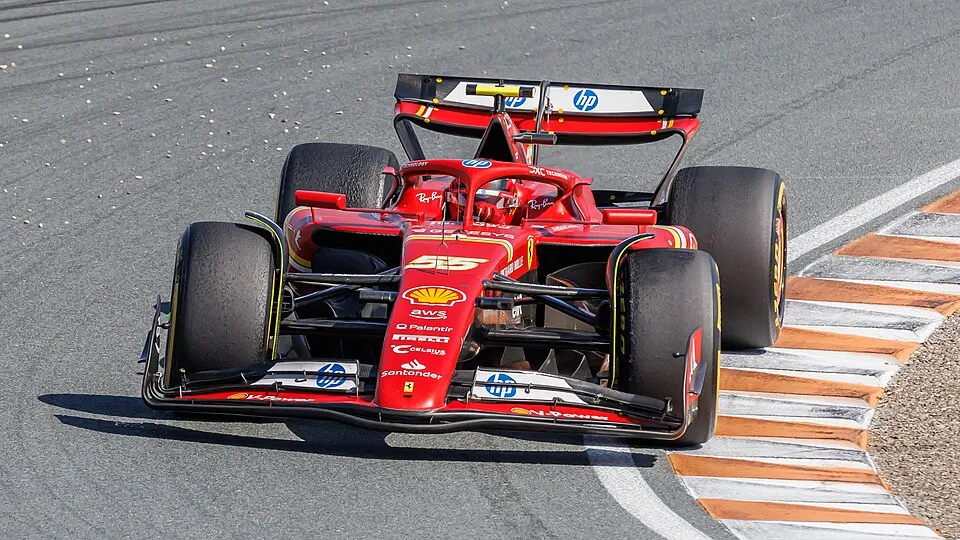
The biggest technical overhaul in a decade. The 2026 Formula 1 regulations change everything.
Fundamentally redesigned power units. Active aerodynamics. Lighter, more agile cars. The new rules aim to transform the on-track spectacle while pushing automotive technology to its limits. Here is what is changing and why it matters.
Power Unit Revolution
The most significant change: the new power unit specification. Cars retain their 1.6-litre turbocharged V6 engines, but the electrical component has been dramatically increased. The MGU-K now produces approximately 350 kW (470 horsepower) — roughly triple the previous generation. Electrical energy accounts for approximately half of total power output for the first time in F1 history.
The complex and expensive MGU-H has been eliminated. It was a technological marvel but an enormous barrier to entry for new manufacturers. Its removal opens the door for Audi, who supply their own engines from 2026, and Ford, who partner with Red Bull Powertrains.
The new power units run on fully sustainable fuel — a critical step in F1’s commitment to net-zero carbon emissions by 2030. The fuel must work in any standard road car engine, demonstrating a clear pathway from racetrack innovation to road-relevant technology.
Active Aerodynamics
For the first time in decades, active aerodynamic elements on F1 cars. Drivers adjust both front and rear wing elements, switching between high-downforce and low-drag configurations. This is not simply a DRS evolution — it fundamentally changes how cars behave on circuit.
Low-drag mode: shed downforce for straight-line speed, enabling overtaking. High-downforce mode: maximum grip through corners. The transitions are driver-controlled — a new strategic dimension for qualifying and race craft.
The active aero system works in conjunction with refined ground effect aerodynamics from the 2022-2025 era, ensuring cars can follow each other more closely through corners. The goal: solve F1’s longest-standing problem of aerodynamic turbulence preventing close racing.
Lighter, More Agile Cars
Target minimum weight: approximately 768 kg. Down from the 798 kg limit of recent years. Lighter cars are more nimble, more responsive, and place less stress on tyres. All of that contributes to better racing.
The cars are also physically smaller. Reduced overall dimensions make them more suitable for street circuits and traditional venues. Drivers have repeatedly called for more compact machinery. They got it.
What It Means for the Championship
The scale of changes creates enormous competitive uncertainty. History proves major rule resets reshuffle the grid. In 2014, Mercedes went from midfield to dominance overnight. In 2022, Red Bull Racing gained a decisive advantage with ground effect aero.
The 2026 rules give every team a fresh start. Teams that invested wisely could leapfrog rivals. Established frontrunners risk falling behind if they misread the new design philosophy. That uncertainty is what makes this season electric.
New Power Unit Manufacturers
Audi enters as a full works team after acquiring Sauber. Ford returns as a technical partner to Red Bull Powertrains. Honda continues supplying engines to Red Bull Racing and RB. The entry of new manufacturers validates F1’s regulatory direction.
The engine competition — Mercedes, Ferrari, Honda/RBPT, Renault (via Alpine’s switch to Mercedes), and Audi — adds another layer of intrigue to the championship battle.
The Australian Connection
The Australian Grand Prix at Albert Park, Melbourne, hosts the first race under the new regulations on 14-16 March 2026. Melbourne’s demanding circuit — high-speed straights and technical chicanes — provides an immediate test of the new cars’ capabilities.
With Oscar Piastri and Jack Doohan flying the flag for Australia, the home race will be unforgettable. Formula 1’s vision for the future: faster, greener, closer racing. The season cannot start soon enough.
LF — Breaking news correspondent, australiafootball.com
 Best Betting Sites
 Best Online Casinos
 Blackjack Sites
 Online Pokies
 Fast Payout Casinos
 PayID Casinos
 New Casinos 2026