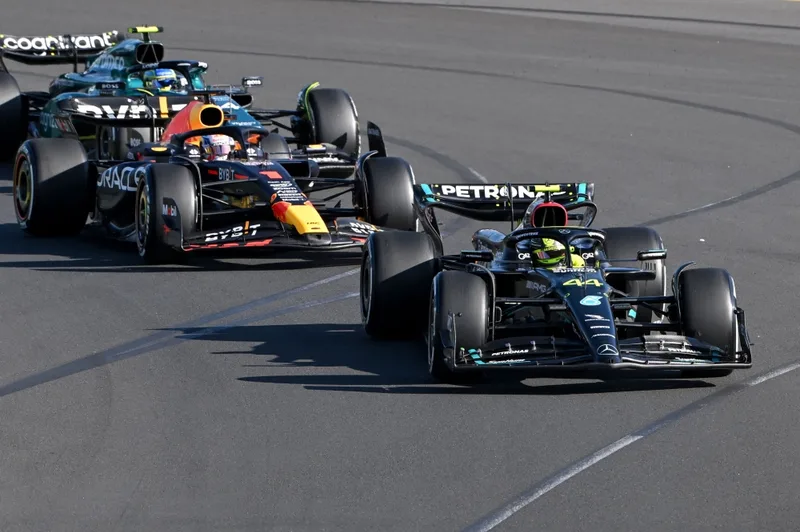
Look, change is coming to Albert Park and it’s not just the usual pre-season tweaks we’re used to seeing. Formula 1 has confirmed a revised race start procedure will make its debut this weekend at the Australian Grand Prix, marking the first significant procedural shift we’ve seen in years.
The timing isn’t coincidental. With race officials giving their blessing ahead of what promises to be a fascinating 2026 season opener, this change could reshape how drivers approach those crucial opening moments that often decide championship races.
What This Means for the Field
The new procedure represents more than bureaucratic shuffling — it’s a fundamental shift that could favour certain driving styles and team strategies. Max Verstappen and the Red Bull Racing squad have historically excelled at race starts, but procedural changes like this can level playing fields in unexpected ways.
For home favourite Oscar Piastri, racing in front of passionate Melbourne crowds, the timing couldn’t be more intriguing. The McLaren driver showed impressive racecraft last season, and procedural changes often reward adaptable racers who can process new information quickly.
Teams have been preparing for this shift throughout pre-season testing. Mercedes and Ferrari engineers have been particularly vocal about studying every angle, knowing that start procedure changes can swing momentum dramatically in those opening corners at Albert Park.
Strategic Implications
Listen, start procedures might sound technical and dry, but they’re anything but boring when you consider the knock-on effects. Different timing sequences, altered formation protocols, or revised communication windows all create ripple effects through race strategy.
The Australian Grand Prix odds have already begun adjusting their opening lap markets, recognising that procedural changes often produce unexpected results. Smart punters know that regulatory shifts frequently create value opportunities as the field adapts.
What’s particularly fascinating is how this plays into team dynamics. Alpine and Aston Martin have both invested heavily in start simulation technology this winter, suggesting they see opportunity in the chaos of change.
Melbourne’s Perfect Testing Ground
Albert Park provides the ideal venue for this debut. The circuit’s unique characteristics — those sweeping corners, elevation changes, and notoriously challenging first sector — will test every aspect of the new procedure under race conditions.
The Australian Grand Prix has always been a season-shaper, and now it carries extra significance as the proving ground for this procedural evolution. Teams know that mastering the new system here could provide crucial advantages throughout the championship battle.
For Australian motorsport fans, this adds another layer of excitement to an already electric weekend. The F1 Hub community has been buzzing about potential implications, with veteran observers noting that procedural changes often produce the most memorable racing moments.
Race officials wouldn’t make changes lightly, especially not at such a prestigious venue. This signals confidence in the new system’s potential to enhance racing while maintaining the sport’s competitive integrity.
The grid assembles this weekend carrying uncertainty and opportunity in equal measure. Sometimes the most significant changes come wrapped in technical language, but their impact reverberates through every championship battle that follows.
NC — Staff sports writer, australiafootball.com
 Best Betting Sites
 Best Online Casinos
 Blackjack Sites
 Online Pokies
 Fast Payout Casinos
 PayID Casinos
 New Casinos 2026