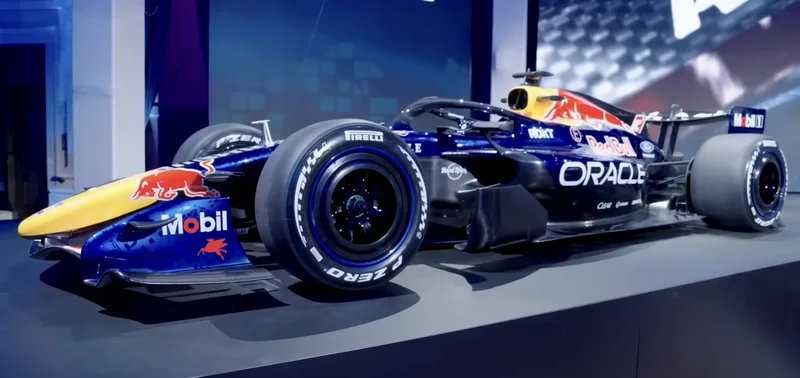
The convergence of traditional motorsport excellence and digital precision reaches its annual crescendo as the F1 Sim Racing World Championship returns for 2026. Friday’s opening round at Shanghai International Circuit represents more than ceremonial wheel-to-wheel action—it signals the maturation of competitive sim racing into Formula 1’s digital backbone.
Shanghai’s Strategic Selection
The choice of Shanghai International Circuit for the championship opener carries calculated significance. The venue’s technical demands—long straights punctuated by tight hairpins, elevation changes that punish setup compromises—create an immediate separation between genuine talent and casual participation. Virtual tyres behave differently here than at traditional European circuits, demanding intimate knowledge of grip zones that exist only in code.
Unlike the physical F1 Hub where aerodynamic packages determine competitive windows, sim racing equalises machinery while amplifying driver skill differentials. Shanghai’s Turn 1-2 complex becomes a psychological battleground where millisecond decision-making determines championship trajectories. The circuit’s reputation for punishing overreach translates perfectly into digital format.
Digital DNA of Modern F1
The sim racing championship no longer operates as motorsport’s curious sideshow. Teams like Ferrari and Mercedes invest serious resources in virtual development, recognising that digital feedback loops accelerate real-world innovations. What happens Friday evening in virtual Shanghai influences Sunday afternoon strategies across actual circuits.
Current F1 drivers increasingly acknowledge sim racing’s legitimacy. The technical precision required to extract tenth-of-a-second improvements mirrors their daily reality. Brake point optimisation, cornering geometry, energy deployment—these fundamentals translate seamlessly between digital and physical domains.
Championship Architecture
This year’s format emphasises consistency over isolated brilliance. Multiple sprint sessions leading to feature races reward strategic thinking alongside raw pace. Drivers must balance aggressive opening moves with championship mathematics—a dynamic familiar to anyone following Red Bull Racing’s tactical approaches in recent seasons.
The points structure encourages calculated risk-taking while penalising reckless abandon. Shanghai’s multiple overtaking opportunities create natural d
 Best Betting Sites
 Best Online Casinos
 Blackjack Sites
 Online Pokies
 Fast Payout Casinos
 PayID Casinos
 New Casinos 2026