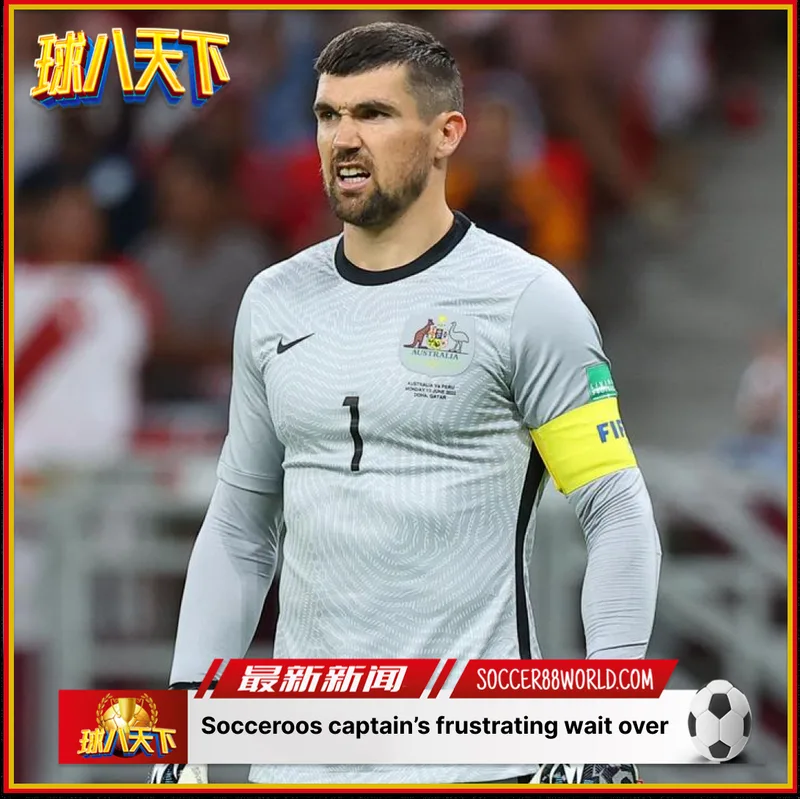
The circus is complete. All 48 teams for the expanded FIFA World Cup are now locked in, which means the SOCCEROOS Hub faithful can finally stop speculating about potential opponents and start worrying about actual ones. But here’s the uncomfortable truth nobody wants to discuss: knowing who you’re playing and being ready to compete against them are two vastly different propositions.
The relief in Australian football circles is palpable—no more “what if” scenarios, no more backup plans for backup plans. Yet this clarity brings with it a sobering reality check that should make every Australian football fan squirm slightly in their seat.
The Expanded Field Changes Everything
The move to 48 teams has fundamentally altered World Cup mathematics, and not necessarily in Australia’s favour. More teams means more opportunities, sure, but it also means the tournament’s traditional rhythm has been demolished. The group stage dynamics that served smaller nations well—grinding out draws, nicking a result against a giant, squeaking through on goal difference—have been rewritten.
Australia built their World Cup reputation on being organised, defensively solid, and capable of the occasional upset. That formula worked when you needed four points from three games. Now, with different group structures and expanded knockout rounds, the emphasis shifts toward depth, tactical flexibility, and the kind of squad rotation that exposes Australia’s perennial weakness: a shallow talent pool.
Players like Cameron Devlin and Keanu Baccus represent the new generation trying to fill these gaps, but can they handle the intensity of a longer tournament format? The jury remains decidedly out.
Reality Bites for Australian Football
The uncomfortable question hovering over this announcement isn’t about our opponents—it’s about ourselves. While other nations have been systematically building depth through improved domestic leagues and player development pathways, Australia has been playing catch-up with one hand tied behind its back.
Our A-League continues to hemorrhage talent to overseas markets before players reach their peak, leaving the national team reliant on Europeans who may or may not maintain strong connections to the green and gold. When you examine the current squad’s age profile and injury history, the expanded World Cup format looks less like an opportunity and mor
 Best Betting Sites
 Best Online Casinos
 Blackjack Sites
 Online Pokies
 Fast Payout Casinos
 PayID Casinos
 New Casinos 2026