The Prime Minister’s gambling advertising reforms have sent shockwaves through AFL headquarters, and the panic is telling. When your business model depends this heavily on companies that profit from human misery, perhaps it’s time to ask some uncomfortable questions about what we’ve become.
Anthony Albanese’s restrictions on gambling advertising represent the first meaningful attempt to break the stranglehold that betting companies have over Australian sport. The fact that codes are “bracing for impact” rather than welcoming these changes reveals just how deeply the rot has set in.
The Uncomfortable Truth About Modern Football
Walk through any AFL venue and you’re bombarded with gambling messages. Every boundary fence, every halftime break, every post-match wrap plastered with odds and inducements to punt. We’ve normalised an industry that destroys families and communities, all in the name of keeping ticket prices down and profit margins up.
The financial dependency is staggering. Clubs like Richmond and Geelong Cats have built their revenue models around these partnerships, treating gambling companies as essential stakeholders rather than the predators they actually are. When gambling advertising revenue becomes so critical that its removal threatens financial stability, you’ve crossed a line that should never have been approached.
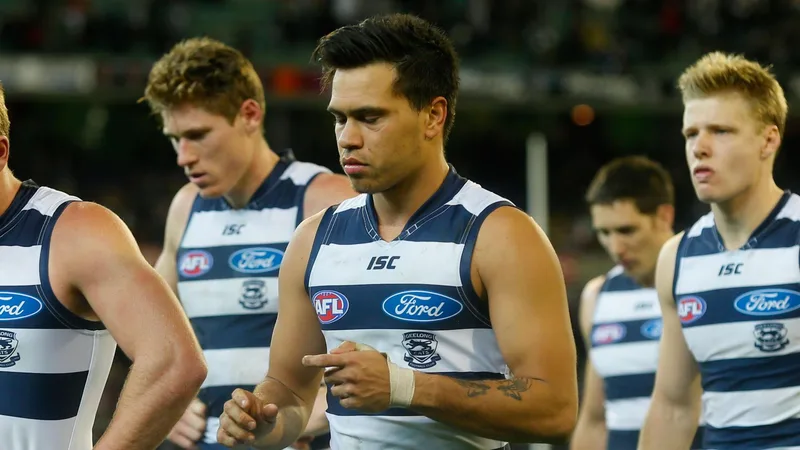
Consider what we’re really selling here. Every time a young fan sees their hero Patrick Dangerfield associated with gambling advertising, we’re normalising addiction as entertainment. Every boundary fence advertisement tells kids that football and gambling are natural bedfellows. We’ve turned our national game into a recruitment tool for an industry that preys on vulnerability.
Beyond the Balance Sheet
The codes’ financial fears are understandable but morally bankrupt. Yes, gambling advertising revenue runs into hundreds of millions annually. Yes, its removal will force difficult conversations about funding and sustainability. But at what point did we decide that money from gambling companies was clean enough to build our sport upon?
Other industries have survived advertising bans. Tobacco sponsorship was once ubiquitous in sport – remember the Winfield Cup? Rugby league didn’t collapse when cigarette companies were banished. It adapted, evolved, and found cleaner revenue streams. The AFL can do the same.
The timing couldn’t be more apt wi
 Best Betting Sites
 Best Online Casinos
 Blackjack Sites
 Online Pokies
 Fast Payout Casinos
 PayID Casinos
 New Casinos 2026